Northshore Retail
example subsidiary
- Own ledger & chart of accounts
- Isolated at the data layer
- Own audit history
Multi-entity accounting
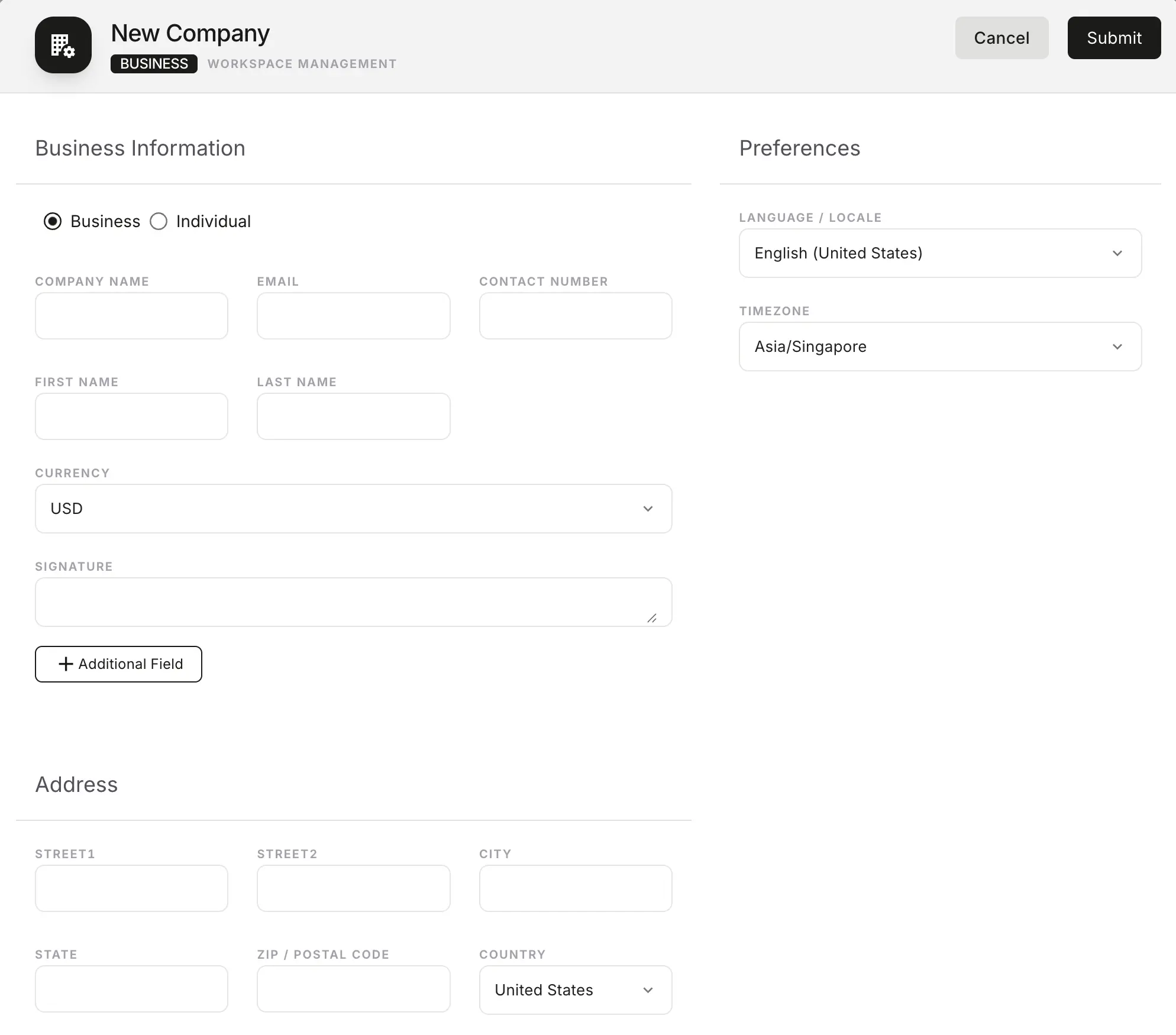
Bring a new legal entity or operating unit into the workspace with structure that reporting and permissions can use from day one — not a spreadsheet of company codes.
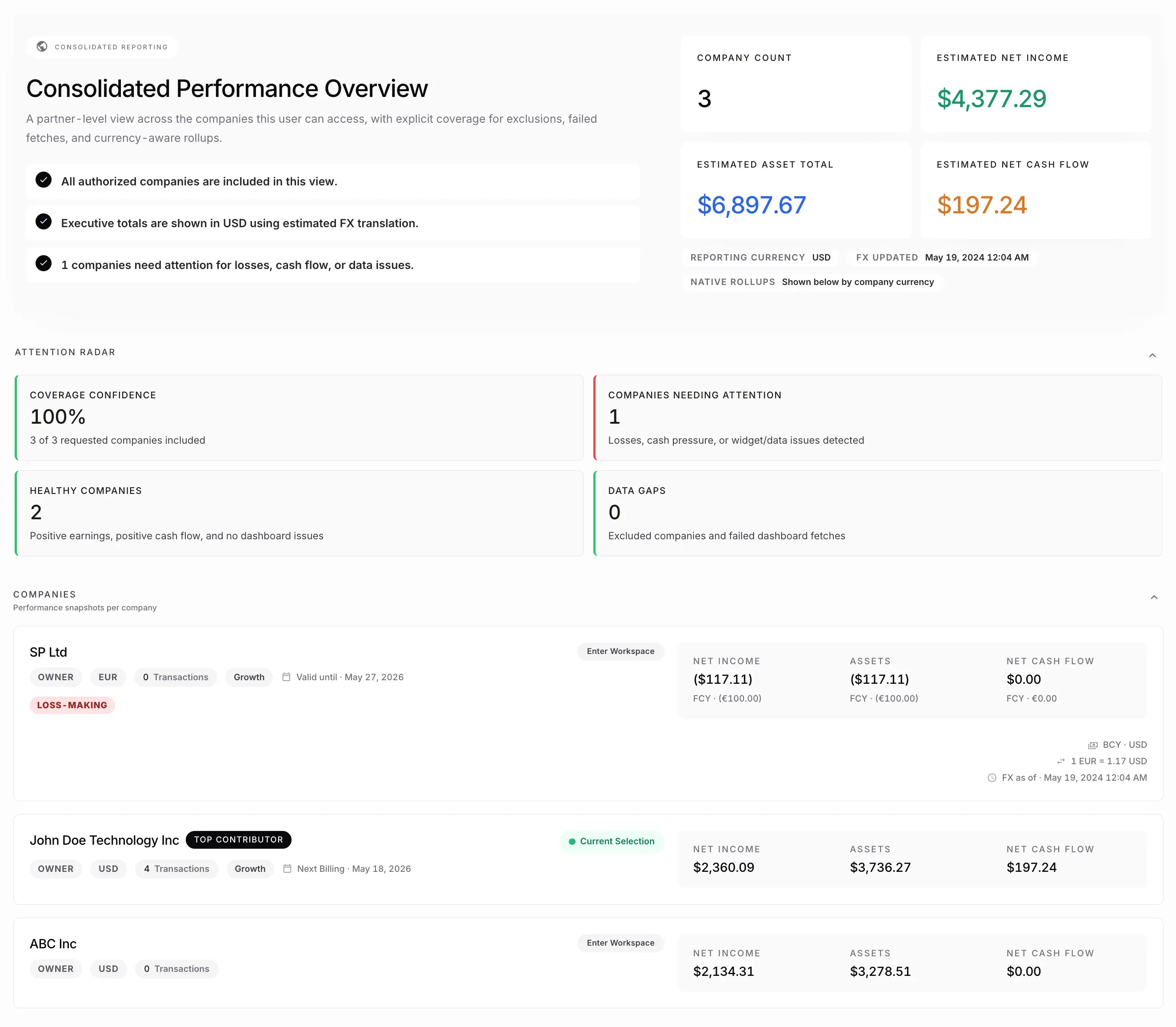
Leadership sees the wider operating picture without losing entity-level books. Parallel finance operations stay in one product instead of three logins.
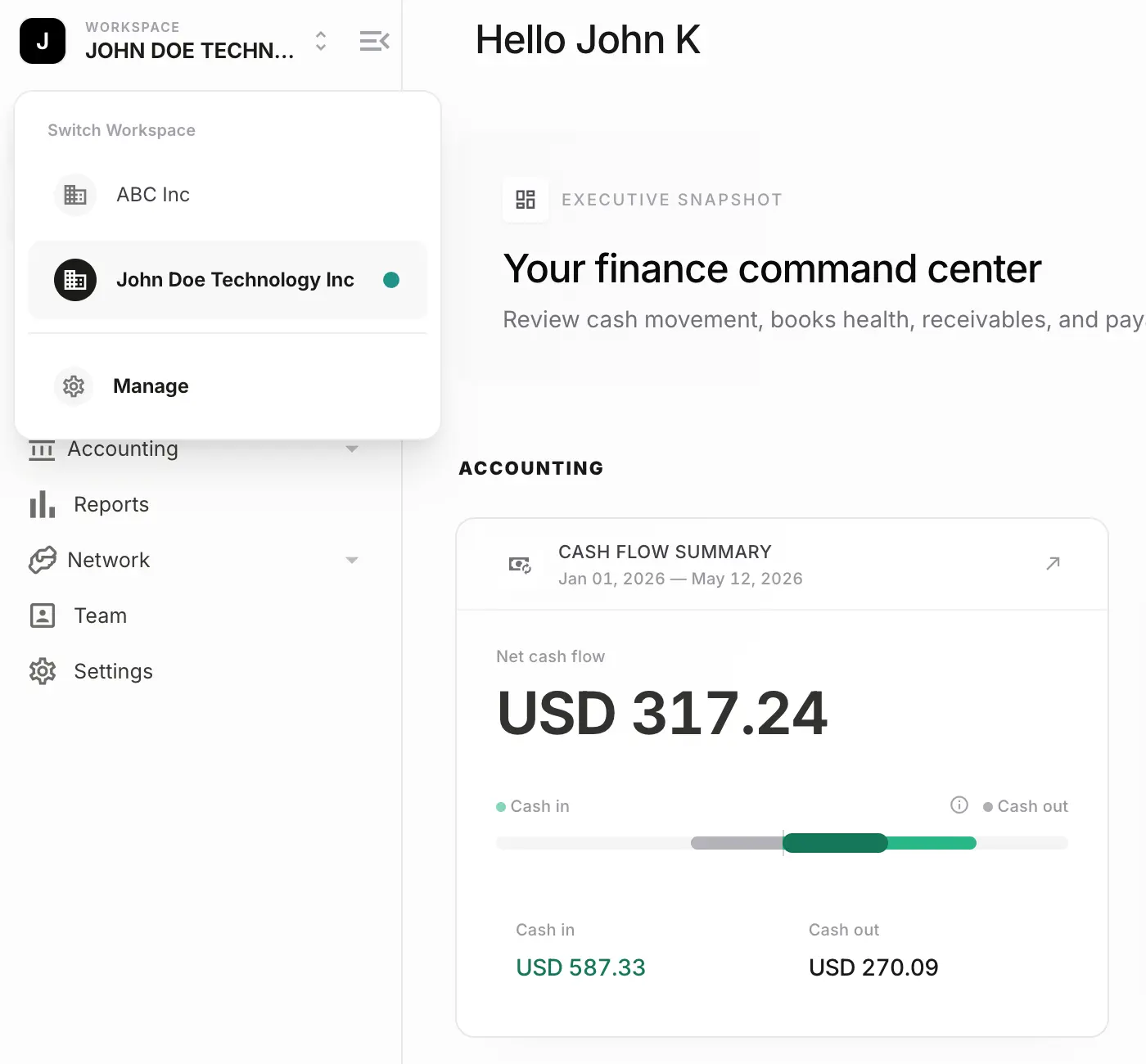
Move between companies, books, and workflows in the same environment. The team stays oriented while each set of books remains separate.
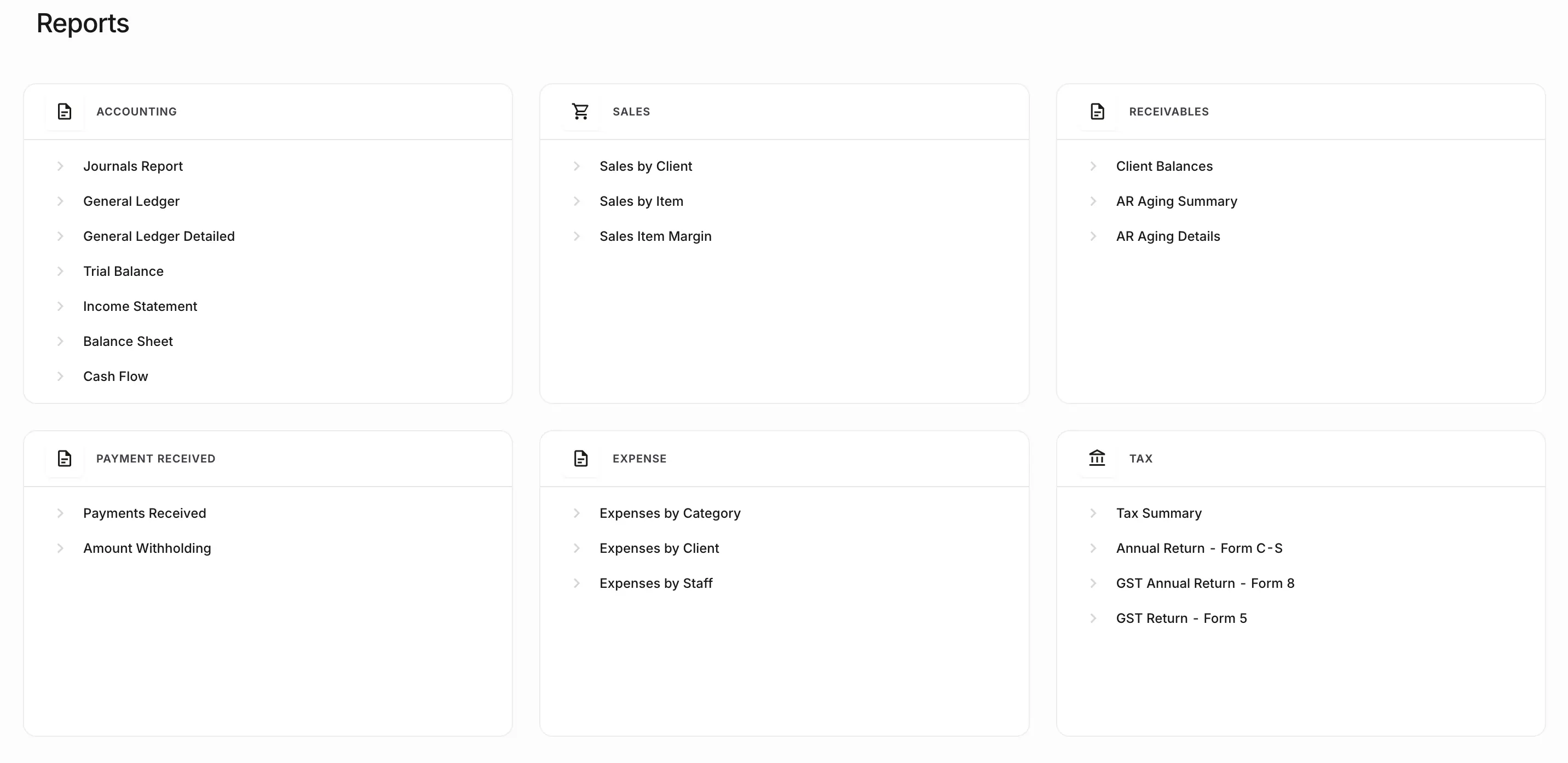
P&L, balance sheet, and operational views stay tied to the same ledger each entity writes to — so a group view does not become a month-end reconstruction in spreadsheets.
Entity Layer
Multi-entity is not another company record in a settings screen. It is isolated books, source-entity journals, and controlled collaboration — the same primitives Paprel uses for every tenant.
Every company gets its own ledger, chart of accounts, and audit history. Isolation is scoped at the data layer, not left to application filters.
Create a company with POST /v1/company and the books come with it — ready for journals, documents, and reporting without a separate finance stack.
Operators move between entities inside the same product. Finance teams stay oriented without opening a second accounting system.
Track performance by customer, project, team, department, or entity so growth does not push reporting back into spreadsheets.
Look up the ledger impact of an order, payout, or invoice with GET /v1/accounting/journals/for-entity using the IDs your product already owns.
Give operators access to the books they run and keep finance leaders visible across the structure — without sharing credentials across entities.
Tenancy model
One API call provisions a customer or operating unit with isolated books. Reads and writes stay scoped to that company, so a missing filter cannot leak one entity's journals into another's report.
Isolation is documented in how a company is the boundary. Source-entity lookup uses the Journal API. For destination-app limits, see the QuickBooks API alternative and the marketplace accounting guide.
Your platform
one tenant per customer · OAuth-scoped tokens
Northshore Retail
example subsidiary
Harbor Franchise Co
example operating unit
Atlas Seller Books
example marketplace seller
Illustrative operating units — not customer case studies.
Isolation sits below application code. Every journal, invoice, and report is company-scoped at the data layer.
How it ships
Platforms do not need a second accounting product for the second entity. Provision the company, post against your own IDs, and keep review inside the product.
Create the entity with POST /v1/company. Paprel stands up the ledger, a default chart of accounts, and document numbering in the same call.
Each company is a hard boundary. Journals, invoices, expenses, and reports stay inside that company unless a leader is looking across the structure.
Tie journals to the order, payout, property, or loan ID your product already stores. Retrieve the accounting trail later without a mapping spreadsheet.
Operators switch workspaces for day-to-day work. Finance still sees entity, project, and customer views when they need the wider picture.
Where it lands
Whether you serve operators, sellers, property managers, or funds, the pattern is the same: one company boundary, isolated books, journals keyed to your records.
Franchises, locations, and client entities with isolated books inside the industry workflow.
Vertical SaaS accounting
Seller books, settlement journals, and payout trails keyed to your order and merchant IDs.
Marketplace seller books
Owners, LLCs, and portfolios as separate books with group visibility for the manager.
Property management books
Funds, SPVs, and lending entities as isolated ledgers with audit-ready history.
Lending and fund ledgers
Multi-entity accounting keeps a separate set of books for each legal entity or operating unit — own ledger, chart of accounts, and reporting — while customers still work inside one product. Paprel exposes that as an API: provision a company, isolate reads and writes at the data layer, and look up journals by the IDs your product already stores.
Yes. Each company is provisioned with its own ledger, chart of accounts, and document numbering. Your product can create those companies over the API and keep day-to-day work inside the same embedded accounting layer.
Isolation is enforced at the data layer, not only in application code. Every read and write is scoped to the company, so one tenant's journals cannot appear on another's report because a WHERE clause was missed.
Yes. GET /v1/accounting/journals/for-entity takes the entity_type and entity_id your product already stores — an order, payout, invoice, or loan — and returns the balanced journal behind it.
Access is role-aware and company-scoped. Operators can work inside the entities they run, while finance leaders keep visibility across the structure without sharing a single set of credentials.
Reports stay on the same ledger each company writes to. You can review by entity, project, customer, or other dimensions instead of reconstructing a group view in spreadsheets at month end.
Adjacent modules
Each company starts with its own account structure and can extend it as the books grow.
P&L, balance sheet, and trial balance from the same ledger each entity posts to.
Scoped roles so operators see their books and finance still reviews across entities.
These workflows ship inside your product through the same endpoints, signed webhooks, and MCP tools proven in production today. Sandbox keys are self-serve — post a journal before you talk to anyone.
{
  "company_name": "Northshore Retail Ltd",
  "company_signature": "…",
  "company_type": "…",
  "currency_id": "…",
  "contact_email": "finance@northshore.example"
}/v1/company/v1/company/list/v1/accounting/journals/for-entityLive paths from the OpenAPI spec — same wire format in sandbox and production.
Talk to Paprel about company provisioning, isolated ledgers, and journals keyed to the records your platform already owns.